Watercolor Wild Decorative Floral Design Review
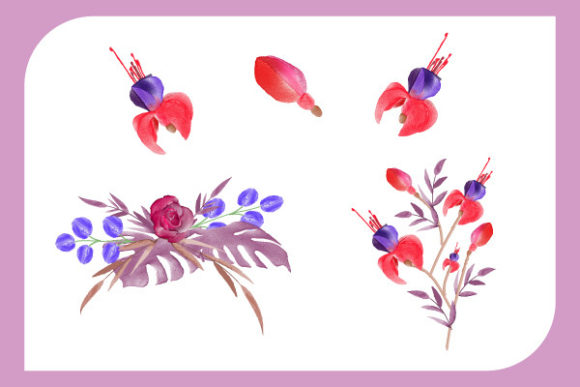
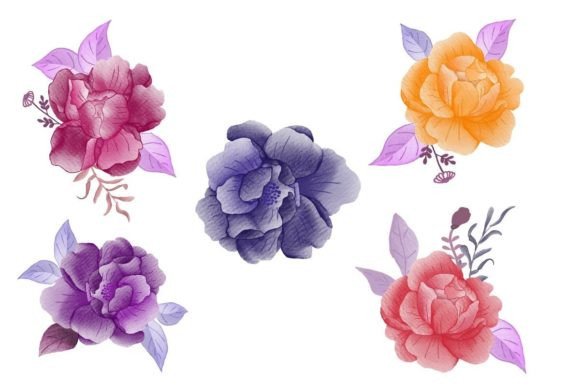
As a designer who has spent years translating digital art into tangible thread, I approach every new asset with a critical eye. When I first opened the files for Watercolor Wild Decorative Floral Design, my initial thought was about mood rather than mechanics. The hand-drawn aesthetic immediately evokes a sense of organic softness, reminiscent of watercolor paintings where edges bleed gently into one another. This is not a rigid, geometric vector; it is fluid and expressive. For an embroidery project, this specific visual personality suggests a departure from sharp, corporate branding and moves toward the realm of artisanal, handmade products that tell a story.
The description notes that these illustrations are drawn by hand with great love to fulfill your desire, which sets a high bar for execution. In the world of Graphics and Graphic Templates, "hand-drawn" can sometimes mean inconsistent lines or messy fills that translate poorly to machines. However, upon closer inspection, the line work in Watercolor Wild Decorative Floral Design feels intentional. It mimics the texture of brush strokes, which presents both an opportunity and a challenge for the embroiderer. If you are looking to create unique compositions for sublimation, scrapbook supplies, or invitations, the source art is undeniably charming. But as we move from screen to stitch, the real test begins.
Translating Art to Thread: A Real-World Scenario
To truly evaluate this design, let's place it in a realistic scenario. Imagine you are preparing a custom embroidered tote bag for a local boutique client. The goal is a product that feels earthy, bohemian, and high-quality. You select a natural canvas tote bag, a fabric with a visible weave and slight texture. You load the Watercolor Wild Decorative Floral Design into your machine, aiming for a placement on the lower right corner of the bag.
Here is where the practical judgment comes in. Because the design features wild, flowing floral elements, the transition from the digital file to the physical machine embroidery design requires careful consideration of stitch density. Watercolor effects rely on gradients and transparency. In embroidery, we cannot achieve true transparency, so we must simulate it using varying densities of fill stitch and perhaps some strategic running stitch to mimic the sketch-like quality of the original drawing. If you simply run the design at 100% density, the result will look like a solid block of color, losing the delicate "wild" feel entirely.
I would recommend testing this on scrap fabric first. Place the hoop on a piece of muslin similar to your final tote bag material. Run a test stitch using neutral thread colors. Does the flow of the petals look stiff? Are the gaps between the flowers too wide, causing the background fabric to show through in an unflattering way? Or is the design too dense, making the heavy canvas pucker? These are the questions that determine whether Watercolor Wild Decorative Floral Design will elevate your finished product or ruin it.
Performance Across Different Fabrics and Projects
The versatility of this design depends heavily on how you manipulate the embroidery file. For custom apparel like sweatshirts or t-shirts, the softer nature of the artwork pairs beautifully with fleece or cotton blends. On a sweatshirt, the texture of the fabric helps hide the inherent limitations of stitching a gradient, making the watercolor effect appear more authentic. However, if you attempt this on thin, stretchy fabric without proper stabilizer, the intricate details of the floral stems might distort during washing.
For baby embroidery, such as a nursery pillow cover or a onesie, the gentle curves of Watercolor Wild Decorative Floral Design are perfect. Parents often seek soft, non-threatening imagery for their children's items. Just ensure that any tiny details, like small flower centers, are not so fine that they become fragile points of failure after multiple washes. Similarly, for holiday gifts or personalized home decor like kitchen towels, the design adds a touch of elegance without feeling overly formal. It bridges the gap between a mass-produced item and a bespoke creation, increasing the perceived value of your handmade product.
If you are an Etsy seller or running a small craft business, this design could be a cornerstone for your brand consistency. Using it across different items—perhaps an embroidered patch for a hat, a print for a tea towel, and a motif on a blanket—creates a cohesive collection. The key is maintaining the integrity of the "wild" aesthetic. Do not force the design into a square box if it wants to flow organically. Let the composition breathe on the garment.
Critical Considerations for Professional Results
While the artistic potential is high, there are specific areas where Watercolor Wild Decorative Floral Design requires caution. First, consider the hoop size. Wild floral arrangements often have sprawling elements. If your design exceeds the capacity of a standard 5x7 inch hoop, you may need to split the design or use a larger frame. Splitting a continuous watercolor flow can disrupt the visual rhythm, so check the dimensions carefully before committing to a project.
Secondly, be mindful of dark fabric. The watercolor style often relies on light backgrounds to show depth. Stitching this design directly onto black or navy blue fabric without a backing layer or underlay can make the lighter threads disappear or look muddy. You might need to adjust the thread colors significantly or add a satin border to define the shape against the dark ground.
Another critical factor is the fabric texture. On highly textured fabrics like denim or thick wool, the fine details of the hand-drawn lines might get lost in the weave. In these cases, simplify the design or increase the scale. Conversely, on very smooth, shiny fabrics, the lack of definition in a watercolor style might look unfinished. Always review your printable mockup in black and white to assess contrast before stitching.
Final Verdict for Designers and Makers
Watercolor Wild Decorative Floral Design is a strong asset for creative entrepreneurs who understand the nuances of converting art to thread. It is not a "load and go" solution for beginners expecting perfection out of the box. It demands a thoughtful approach to stitch density, stabilizer choice, and fabric selection. However, when executed correctly, it offers a level of sophistication that generic clip art cannot match.
For those creating commercial embroidery projects or selling digital product assets, remember to confirm the licensing terms. The description mentions creating unique compositions, but does it explicitly allow for resale of finished goods or the digital files themselves? As a professional, I always advise checking these details to protect your business.
In conclusion, if you are looking to infuse your small shop product line with character and warmth, this design is worth the extra effort. It invites you to slow down, test your settings, and truly engage with the craft of embroidery. Whether you are making a personalized gift for a friend or stocking shelves for your holiday collection, the success of Watercolor Wild Decorative Floral Design lies in your ability to respect its organic nature while applying technical precision. Treat it with the care it deserves, and it will yield beautiful, memorable results that customers will trust and cherish.