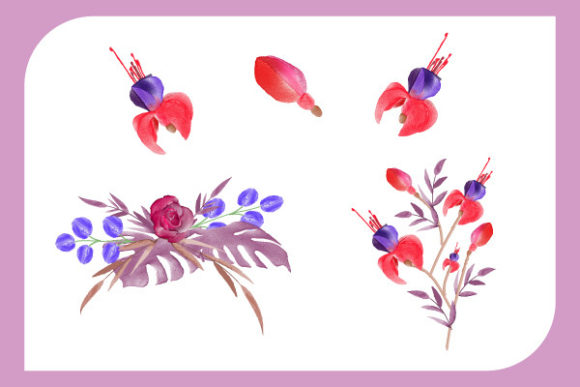
Decorative Watercolor Flower Design Review
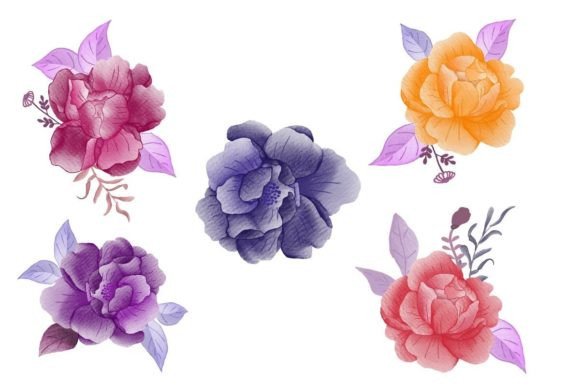
As a designer who has spent years translating digital art into tangible thread, I approach every new asset with a critical eye. When I first opened the Decorative Watercolor Flower Design, my immediate reaction was to appreciate the artistic intent. The description notes that these illustrations are drawn by hand with great love, and that sentiment is visible in the organic flow of the petals and the soft gradients. However, moving from a screen-based Graphic Template to a physical embroidery project requires a different kind of scrutiny. This review explores how this specific design translates from a digital file to a finished product on fabric.
The First Impression: Mood and Visual Personality
The Decorative Watercolor Flower Design exudes a gentle, romantic aesthetic. Unlike rigid vector shapes often found in standard machine embroidery designs, these flowers possess a fluidity that mimics actual watercolor washes. For a craft business or an Etsy seller looking to elevate their brand away from generic clipart, this visual personality is a significant asset. The layout suggests movement, making it ideal for compositions where the flower isn't just a static logo but part of a larger narrative, such as a border on a tea towel or a focal point on a nursery blanket.
However, the very quality that makes it beautiful on a screen—the soft blending of colors—poses a challenge for stitching. In a traditional fill stitch, achieving a true watercolor gradient requires careful color selection and potentially complex underlays. If you are planning to use this as a digital embroidery file without significant digitizing adjustments, you must be prepared to manage how the thread colors interact to create that illusion of a wash.
Real-World Application: From File to Fabric
Let's imagine a real-life scenario: You are preparing a line of custom embroidered tote bags for a local boutique. The goal is to create a high-end feel that customers will want to carry daily. Using the Decorative Watercolor Flower Design here could be transformative if executed correctly. On a sturdy canvas tote, the floral motif would stand out beautifully, especially if placed off-center to allow the natural texture of the fabric to complement the organic shape of the flowers.
Consider also a sweatshirt embroidery project. Placing this design on the chest of a heavy cotton hoodie adds a touch of femininity and softness that contrasts nicely with the rugged material. The key is scale. Because the design relies on the "hand-drawn" aesthetic, shrinking it too much might cause the delicate lines to get lost in the weave of the fabric. Conversely, on a large pillow cover, the design can breathe, allowing the customer to appreciate the nuances of the illustration.
For personalized gifts, such as baby clothes or a wedding guest apron, this design offers a timeless appeal. It avoids the trendiness of bold geometric patterns, ensuring the finished product remains stylish for years. A small shop owner could easily adapt this into a holiday embroidery collection by simply changing the thread palette to seasonal tones while keeping the core floral structure intact.
Navigating Technical Challenges
While the artistic potential is high, there are specific areas where caution is required when using the Decorative Watercolor Flower Design. First, consider the stitch density. Watercolor effects often rely on overlapping layers of color. If the digitizer packs the stitches too tightly, the fabric may pucker, ruining the soft look you are trying to achieve. Always test the design on scrap fabric first to ensure the balance between coverage and flexibility.
Fabric texture is another critical factor. This design works best on smooth, medium-weight fabrics like linen, cotton blends, or denim. Avoid using it on highly textured fabrics like boucle or very thin, stretchy materials unless you use a robust stabilizer. On dark fabric, the light, airy nature of a watercolor flower might struggle to pop without a white underlay, which changes the visual weight of the piece entirely.
Be particularly wary of curved surfaces like caps or hats. The organic, sprawling nature of the flowers might not lay flat on the curved bill of a cap, leading to distortion. Similarly, if you are creating an embroidered patch, ensure the backing is stiff enough to support the intricate details. Tiny lettering or extremely fine lines within the floral arrangement should be inspected closely; if they are too small, they may turn into knots rather than distinct stitches.
Strategic Use for Commercial Success
For the creative entrepreneur selling custom apparel, the value of the Decorative Watercolor Flower Design lies in its ability to create a cohesive brand identity. Consistency is key. If you use this design across various products—from kitchen towels to blankets—customers begin to recognize your style. This recognition builds trust and encourages repeat purchases.
When creating printable mockups to showcase your work online, remember that the digital representation must match the stitched reality. Do not overpromise what the thread can do. If the original graphic has a fade that thread cannot replicate perfectly, adjust your marketing images to reflect the final result honestly. This transparency enhances customer trust and reduces returns.
This design also fits well into the category of design assets for those offering digital downloads. As noted in the product description, these illustrations help create unique compositions for sublimation and scrapbook supplies. While this article focuses on embroidery, the versatility of the Graphics allows you to cross-promote products. An Etsy seller could sell both the physical embroidered item and the digital template for DIY enthusiasts.
Practical Designer Notes for Implementation
Before committing to a production run, follow these practical steps:
- Test Stitching: Run a sample on the exact fabric you intend to sell. Check for puckering and ensure the thread colors blend as expected.
- Check Hoop Size: Verify that the design fits comfortably within your machine's hoop. Stretching the design to fit a smaller hoop will distort the proportions of the flowers.
- Stabilizer Selection: Use a tear-away stabilizer for stable fabrics and a cut-away for stretchy items to maintain the integrity of the fill stitch.
- Licensing Verification: Confirm whether the license allows for commercial use of the finished product. Some Graphic Templates have restrictions on the number of items you can sell.
- Contrast Testing: Compare the design on both light and dark backgrounds. A watercolor flower might need a satin stitch outline to define edges on busy patterns.
- Washability: Consider that items like baby embroidery or kitchen linens will be washed frequently. Ensure the stitch tension is secure enough to withstand repeated laundering.
In conclusion, the Decorative Watercolor Flower Design is a powerful tool for designers who understand the nuance of translating art into thread. It offers a sophisticated alternative to standard motifs, perfect for elevating handmade products and creating memorable personalized gifts. By respecting the technical limitations of embroidery and testing thoroughly, you can transform these hand-drawn illustrations into high-quality, market-ready pieces that resonate with customers seeking authenticity and beauty.