Typography Monograms Identity Decorative Review
As a designer who has spent years navigating the intersection of digital art and physical stitching, I approach every new asset with a critical eye. The market is flooded with generic vectors that look great on a screen but fall apart under the needle. When I first opened the Typography Monograms Identity Decorative file, my immediate goal was to determine if this piece could survive the transition from a crisp AI vector to a textured, three-dimensional machine embroidery design. This isn't just about aesthetics; it is about how a graphic translates into thread, stabilizer, and fabric tension.
The First Impression: Visual Weight and Flow
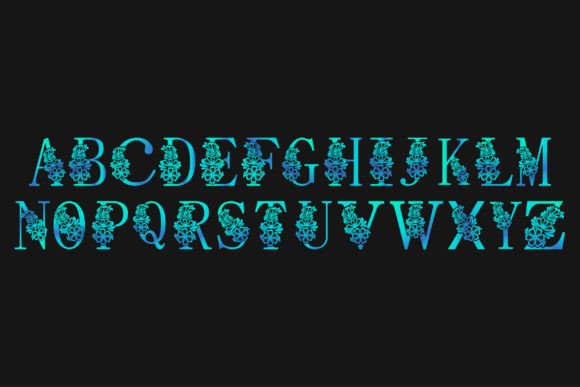
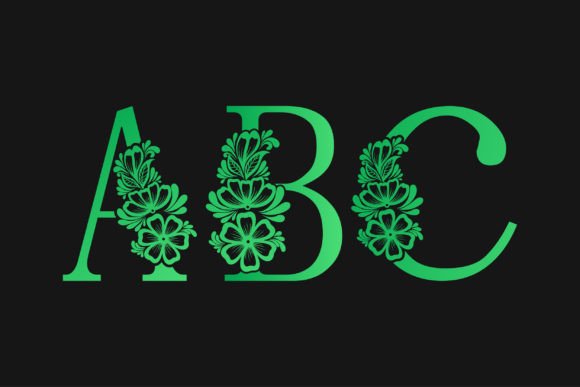
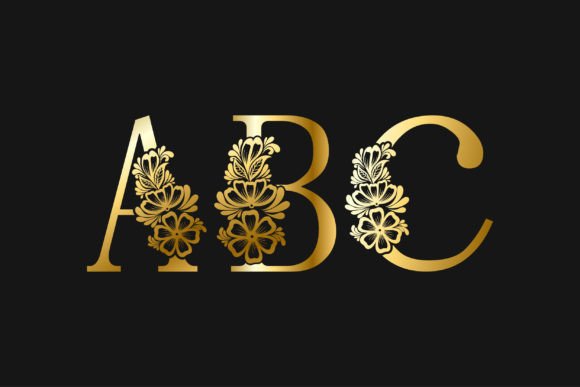
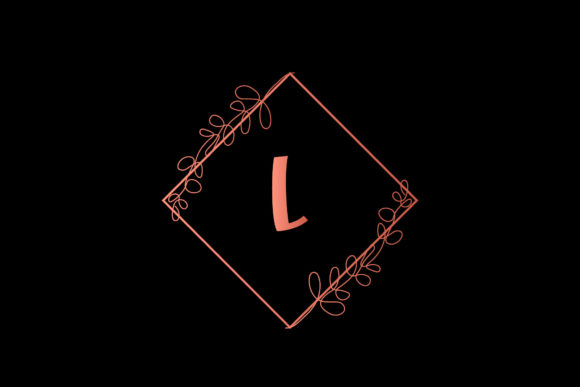
The initial visual impact of Typography Monograms Identity Decorative is bold and confident. It leans heavily into the Crafts category with a distinct personality that suggests luxury without being overly ornate. The layout balances negative space effectively, which is crucial when converting a Graphics file into an embroidery file. In many typography-based designs, the letters become dense blocks of color that lose definition once stitched. Here, the letterforms are constructed with enough breathing room to allow for clean fill stitch patterns without the dreaded "muddy" look that plagues high-density areas.
However, the true test lies in the details. The decorative flourishes around the monogram elements are intricate. While they add significant charm to the digital preview, they require careful consideration regarding stitch density. If you plan to use this for a quick turnaround project, be aware that these fine lines might demand a slower machine speed or a higher-quality thread colors selection to prevent breakage during production.
A Real-World Scenario: The Custom Tote Bag Project
To truly evaluate Typography Monograms Identity Decorative, I imagined a specific client request: a boutique shop owner needing a set of branded canvas tote bags for an upcoming craft fair. The client wanted something that felt premium, something that would elevate a simple cotton bag into a desirable handmade product.
In this scenario, the design shines. The scale of the monogram works beautifully on the front panel of a standard 15x15 inch tote. Because the design relies on strong typographic shapes rather than delicate, scattered motifs, it maintains its integrity even on the slightly uneven surface of woven canvas. The tote bag design concept benefits from the high contrast potential of the lettering. Imagine using a deep navy blue thread on natural beige canvas; the running stitch outlines would pop, creating a sophisticated look that signals quality to the customer.
This is exactly where an Etsy seller or small business owner can leverage this asset. Unlike a complex floral motif that might get lost on a busy background, the identity-focused nature of Typography Monograms Identity Decorative ensures brand recognition. When a customer holds the finished custom apparel or accessory, the message is clear and legible, which directly impacts buyer engagement and perceived value.
Navigating Fabric Challenges and Limitations
Despite its strengths, this design is not a "one-size-fits-all" solution. As a professional reviewer, I must highlight where caution is required. The intricate curves in the decorative elements suggest that this design should be avoided on highly textured fabrics like heavy wool or thick denim unless you are using a very robust stabilizer. On such surfaces, the needle may struggle to penetrate consistently, leading to skipped stitches or puckering around the tight corners of the letters.
Furthermore, consider the application on stretchy materials like jersey knit for sweatshirt embroidery or baby clothes. Typography designs with sharp angles can distort if the fabric stretches during the hooping process. For baby embroidery projects specifically, softness is paramount. You would need to ensure the back of the design uses a tear-away stabilizer that doesn't leave a stiff residue against sensitive skin. Always check whether the design works for both personal and commercial projects by testing on scrap fabric first.
Another critical area is small hoop sizes. While the design is scalable, shrinking it down too much for a cap patch or a small keychain risks losing the readability of the monogram. The decorative accents could merge into a single blob of thread, ruining the intended aesthetic. For curved surfaces like caps, the design needs to be carefully positioned so that the curvature does not warp the vertical alignment of the text.
Practical Notes for the Embroidery Designer
If you decide to integrate Typography Monograms Identity Decorative into your workflow, here are my practical recommendations based on real-world experience:
- Test on Scrap Fabric First: Never skip this step. Stitch out a sample to check how the stitch density handles the specific thread weight you intend to use.
- Check Thread Color Contrast: The visual appeal of this design depends heavily on the relationship between the thread and the background. Test it in black and white mockups before committing to expensive threads.
- Inspect Small Details: Zoom in on the AI file to see if any decorative lines are too thin to be represented by a single strand of thread. You may need to adjust the digitizing settings to thicken these lines slightly.
- Confirm Licensing: Before selling finished items or digital products, confirm the license terms associated with the digital embroidery file. Ensure you have the right to sell items created with this design.
- Use Proper Stabilizer: Given the mix of fill and satin-like effects in the typography, a cut-away stabilizer is often safer for garments that will undergo frequent washing.
Final Verdict on Commercial Viability
Ultimately, Typography Monograms Identity Decorative is a strong contender for designers looking to expand their portfolio of identity-driven assets. It bridges the gap between modern graphic design and traditional commercial embroidery techniques. For the small shop product creator, it offers a way to create cohesive branding across various mediums, from posters and stickers to actual stitched goods.
The design elevates the finished product by adding a layer of professionalism that mass-produced logos often lack. It speaks to a customer who values craftsmanship and attention to detail. Whether you are creating a personalized gift for a wedding, a holiday embroidery item, or merchandise for a local boutique, this design provides the structural integrity needed for a successful project.
Remember, the success of any embroidery project lies not just in the file itself, but in how well you adapt it to your specific materials and machine capabilities. With careful preparation and a good understanding of fabric texture and thread behavior, Typography Monograms Identity Decorative can become a staple in your creative toolkit, delivering consistent, high-quality results that build trust with your clients and customers alike.