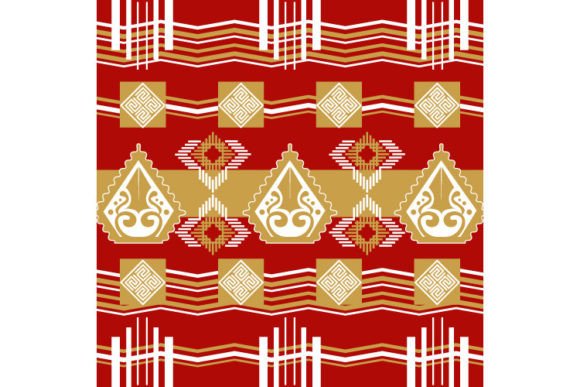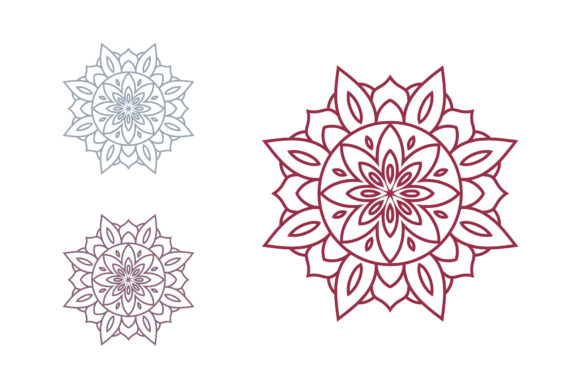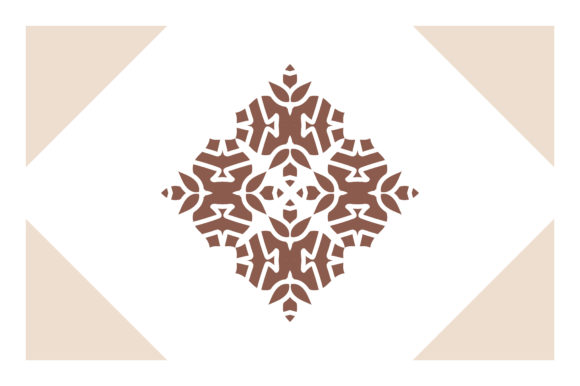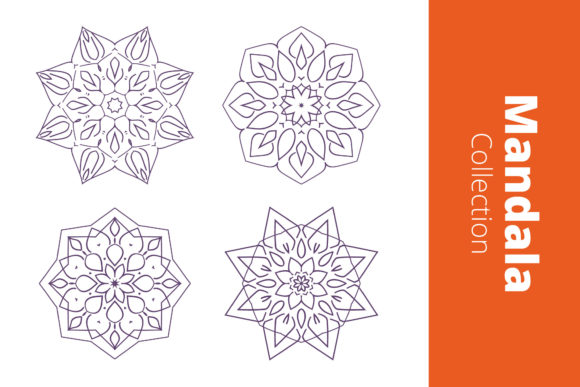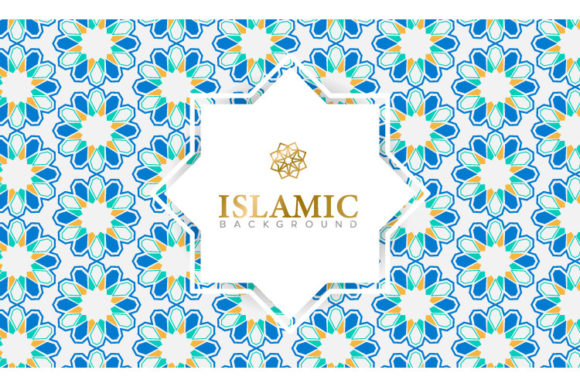
Pattern Islamic Decorative Design Review
As a designer who has spent years translating digital art into tangible thread, I approach every new asset with a mix of excitement and skepticism. When I first opened the Pattern Islamic Decorative Design, my immediate reaction was to assess its potential beyond the screen. This is not just another graphic file; it is a structural element that could define the aesthetic of a handmade product line. The intricate geometry and flowing lines inherent in this style offer a sophisticated mood, one that speaks of tradition, elegance, and timeless beauty. However, the real test lies in how these delicate curves translate when punched through fabric by an embroidery machine.
First Impressions: From Screen to Stitch
The visual personality of the Pattern Islamic Decorative Design is immediately striking. It features complex interlacing shapes that create a sense of rhythm and balance. For a craft business owner looking to elevate their brand, this type of Graphics asset provides a distinct identity. Unlike simple logos or text-based designs, this pattern offers a rich background texture that can anchor a project. When I visualize this as a machine embroidery design, I see the potential for stunning fill stitch work. The density of the lines suggests that a high-quality embroidery file conversion would be necessary to maintain clarity without creating a puckered mess on the fabric.
Imagine preparing a custom embroidered tote bag for a boutique client. You want something that feels artisanal yet durable. Placing this Pattern Islamic Decorative Design across the side panel of a heavy canvas tote creates an instant focal point. The geometric nature of the design ensures that even if the stitching isn't perfectly aligned due to fabric movement, the overall symmetry remains intact. This makes it an excellent choice for custom apparel where slight imperfections are common but acceptable in the realm of handmade goods.
Real-World Application: A Case Study
Let's walk through a realistic scenario. I am planning a holiday collection for my Etsy shop, focusing on personalized gifts. One item is a premium sweatshirt featuring a back print. I decide to use the Pattern Islamic Decorative Design as a border framing a central monogram. Here is where the practical judgment comes in. If I were to stitch this at full size, the stitch density might become too high for a knit fabric like a sweatshirt. Instead, I scale the design down slightly and adjust the thread colors to create contrast against the dark grey fleece.
In this context, the design acts as a frame rather than a solid block. By using a combination of satin stitch for the outer edges and a looser fill stitch for the interior details, the design gains depth. Customers buying this as a holiday gift will appreciate the complexity. It signals quality. When they run their fingers over the raised thread, they feel the craftsmanship. This tactile experience is what separates a mass-produced item from a handmade product. The Pattern Islamic Decorative Design provides the visual vocabulary needed to communicate luxury and care.
Navigating Fabric and Hoop Challenges
However, not every project is a straightforward success. There are specific situations where this design requires careful handling. If you are working with thin fabrics, such as a silk scarf or a lightweight baby blanket, the heavy density of an Islamic geometric pattern can cause significant puckering. In these cases, you must use a strong stabilizer and potentially reduce the stitch count. Similarly, curved surfaces like caps present a challenge. The rigid angles of the design may not flow naturally around the curve of a baseball cap unless you segment the design or choose a smaller motif from the larger pattern.
For baby embroidery, safety and comfort are paramount. While the design is beautiful, tiny details can sometimes snag or irritate sensitive skin if not stitched correctly. I recommend avoiding extremely fine lines for items that will be washed frequently. Instead, focus on the broader shapes within the Pattern Islamic Decorative Design to ensure longevity. On textured fabrics like denim or wool, the design shines because the fabric grain helps hide minor stitching inconsistencies, making it a forgiving medium for complex patterns.
Strategic Use for Small Business Owners
For the Etsy seller or small shop owner, the versatility of this digital embroidery file is a major asset. Since the files include formats like Ai, Eps, Svg, Png, and Jpg, you have the flexibility to adapt the design for various uses. You can use the vector files (Ai, Eps, Svg) to resize the pattern for large commercial embroidery projects, such as wall hangings or table runners. Meanwhile, the raster files (Png, Jpg) are perfect for creating printable mockups to showcase your finished products online before you even stitch them.
This dual capability enhances your brand consistency. You can feature the same Pattern Islamic Decorative Design on your packaging, your website banners, and the actual physical products. This cohesive look builds customer trust and recognition. When a buyer sees the same elegant motif on your social media and then receives a beautifully stitched pillow cover with that same design, the perceived value skyrockets. It transforms a simple purchase into an investment in a lifestyle.
Practical Designer Notes for Success
Before committing to a full production run, always test the design on scrap fabric first. Check the thread colors to ensure they pop against your chosen material. A dark pattern on a black shirt might disappear, while a white pattern on white linen might lack definition. Review the hoop size requirements carefully; some sections of the Pattern Islamic Decorative Design might be too wide for a standard 5x7 hoop, requiring you to split the design into multiple parts.
Inspect the small details closely. Intricate corners can sometimes unravel during the washing process if the running stitch is too sparse. Consider reinforcing these areas or simplifying them for durability. Finally, confirm the licensing terms. While the files are available for personal and commercial use, understanding exactly what you can sell—whether it's the finished embroidered patch or the digital file itself—is crucial for protecting your craft business.
Ultimately, the Pattern Islamic Decorative Design is more than just a collection of lines and shapes. It is a tool for storytelling. Whether used on a kitchen towel, a wedding guest book cover, or a statement piece for a fashion boutique, it adds a layer of cultural richness and artistic flair. By approaching it with a critical eye and practical knowledge of embroidery mechanics, you can turn this digital asset into a profitable and beautiful reality.