Decorative Orange Grass: A Designer's Review
As a designer who has spent years translating digital vectors into tangible stitched goods, I approach every new asset with a critical eye. When I first opened the file for Decorative Orange Grass, my immediate thought was about how this specific botanical motif would translate from a screen to a fabric surface. In the world of machine embroidery design, the gap between a pretty graphic and a stitchable reality is often where projects succeed or fail. This particular piece, categorized under Icons and Graphics, presents a vibrant, organic shape that promises warmth and energy, but does it hold up under the scrutiny of a professional needle?
The Visual Impact and Mood
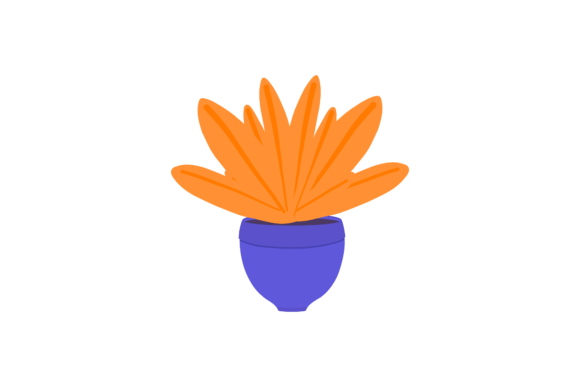
The first impression of Decorative Orange Grass is one of cheerful vitality. The color palette leans heavily into warm autumnal tones, which immediately suggests a seasonal application. Whether you are planning holiday embroidery for Thanksgiving decor or looking for a pop of color for late-summer apparel, the visual personality here is distinct. The layout is not overly cluttered; instead, it offers a flowing, naturalistic arrangement that mimics wild grasses swaying in a breeze.
However, as an experienced reviewer, I look beyond the JPG preview. I am analyzing the line work and the potential for fill stitch versus satin stitch. The curves in the grass blades are smooth, which is excellent for maintaining definition during stitching. If these lines were jagged or too thin, they might result in thread breakage or messy edges on the finished product. Here, the thickness appears substantial enough to carry detail without becoming a dense, heavy block of thread that could pucker delicate fabrics.
Real-World Application: The Custom Tote Bag Scenario
To truly evaluate this embroidery file, let’s imagine a real-life scenario. You are a small shop owner preparing a limited run of canvas tote bags for an upcoming craft fair. You want something that feels handmade yet professional. You decide to use Decorative Orange Grass as the central motif on the front panel of a natural beige canvas bag.
In this context, the design shines. The orange tones provide a striking contrast against the neutral canvas, making the item pop on a shelf. Because the design is available in multiple formats like AI, EPS, and SVG, you have the flexibility to scale it appropriately for your hoop size. For a standard 5x7 inch hoop, this design likely fits perfectly as a standalone statement piece. The organic nature of the grass allows it to blend seamlessly with other elements if you decide to add text or a logo nearby, creating a cohesive brand identity for your craft business.
Now, consider the customer experience. A buyer picking up this tote bag design will appreciate the texture. Unlike a printed graphic, the raised dimension of the embroidery adds tactile value. The stitch density seems balanced enough to provide that premium feel without making the bag stiff or uncomfortable to carry. This level of detail is what turns a simple accessory into a desirable handmade product that justifies a higher price point.
Navigating Fabric and Hoop Challenges
While Decorative Orange Grass is versatile, it is not without its challenges. As designers, we know that no single digital embroidery file works universally on every material. If you plan to use this on a stretchy knit for a sweatshirt embroidery project, you must be cautious. The intricate tips of the grass blades could distort if the fabric stretches during hooping. Always use a tear-away or cut-away stabilizer appropriate for knits to maintain the integrity of the design.
Similarly, working with dark fabrics requires careful consideration of thread colors. While the orange is vibrant, it may need a slightly darker backing or a shadow layer to stand out against black or navy blue garments. If you are creating a personalized gift on a dark hoodie, test the design on a scrap piece of the same fabric first. Check how the light hits the stitches; sometimes, bright oranges can appear muddy on dark backgrounds without proper lighting or thread selection.
Another area of concern is curved surfaces, such as caps or hats. The linear flow of the grass might warp slightly when forced onto a rounded brim. If you are attempting this for a cap embroidery project, ensure the hoop size matches the curvature of the hat, or consider using a flatbed machine with a specialized cap frame. The fine details at the ends of the grass blades might get lost if the tension is off or if the fabric is too thick.
Technical Considerations for Professional Results
Before committing to a full production run, there are several technical steps every Etsy seller or commercial embroiderer should take. First, verify the file formats provided. With options including DXF, PNG, and JPG, you have choices for both vector editing and raster previews. However, for actual stitching, you will likely need to convert the vector data (AI or EPS) into your machine’s native format. Ensure your software handles the conversion cleanly, preserving the sharpness of the grass tips.
Secondly, review the stitch density settings. High-density areas can cause puckering, especially on lightweight materials like baby clothes or tea towels. If you are making baby embroidery items, you might want to reduce the density slightly to keep the fabric soft and safe for sensitive skin. Conversely, for a sturdy apron or a pillow cover, you can afford to go heavier for a more textured look.
Do not forget the importance of testing. Print a printable mockup of the design in black and white to check the balance and spacing before spending thread and time. Compare how the design looks on light versus dark fabric backgrounds digitally before stitching. This step saves you from costly mistakes and ensures that your finished product meets your quality standards.
Commercial Viability and Brand Consistency
For creative entrepreneurs selling design assets or finished goods, Decorative Orange Grass offers strong potential for brand consistency. Its distinctive style can become a signature element across various products, from embroidered patches to custom apparel. The fact that it comes in a high-resolution canvas size of 1920 px X 1280 px ensures that it remains crisp even when scaled up for larger applications like banners or large wall hangings.
However, always confirm the licensing terms before selling finished items or digital products. Just because a design is beautiful doesn't mean it is free for commercial use without restrictions. As a professional, protecting your business means understanding exactly what you can do with the files. If the license allows for commercial embroidery, this asset can significantly boost your catalog, offering customers unique, high-quality designs that mass-market retailers cannot easily replicate.
Final Thoughts on Value and Execution
Ultimately, Decorative Orange Grass is a solid addition to any designer's library, provided it is used with intention. It excels in projects that require a touch of nature-inspired whimsy, whether that is a holiday gift, a boutique merchandise item, or a personalized keepsake. The key to success lies in preparation: choosing the right stabilizer, testing on scrap fabric, and respecting the limitations of different materials.
When executed correctly, this design elevates a simple garment into a piece of art. It demonstrates attention to detail and a commitment to quality, which builds customer trust and encourages repeat business. For those of us who live and breathe the craft of embroidery, finding a design that balances aesthetic appeal with practical stitchability is a rare find. Decorative Orange Grass delivers on that promise, making it a worthy candidate for your next embroidery project.